
Early Warning Signs of Heart Failure You Shouldn’t Ignore
Heart failure announces itself quietly, in pillows, bathroom scales, and abandoned stairs. The early warning signs
Specialist care for atrial fibrillation — rhythm control, rate control, and stroke prevention. Personalized treatment based on your AFib pattern and your individual stroke risk.
Atrial fibrillation, often shortened to AFib or AF, is the most common sustained heart rhythm disorder. Instead of beating in a coordinated rhythm, the upper chambers of the heart quiver irregularly, so the pulse becomes fast and irregular.
AFib matters for two separate reasons. It can make you feel unwell — breathless, tired, or aware of a racing heartbeat. More importantly, it allows blood to pool in the upper chambers, which substantially increases the risk of stroke when it is left untreated.
Some people feel every episode. Others have no symptoms at all and learn about AFib during a routine examination or from a wearable device. Either way, the condition needs a confirmed diagnosis, a formal stroke risk assessment, and a long-term treatment plan.




When you have been diagnosed with atrial fibrillation, knowing who will manage it matters. Our cardiologists assess each patient individually rather than relying on a single test result, and take the time to explain your stroke risk and the reasoning behind your treatment plan.

General & Preventive Cardiology

Preventive & Non-Invasive Cardiology

Interventional & Vascular Cardiology
Treatment plans tailored to your symptoms, history, and individual needs.
Preventive, diagnostic, interventional, and vascular care in one practice.
Modern diagnostics for heart rhythm, function, structure, and blood flow.
Serving Pearland with additional locations expanding across Greater Houston.
Experienced physicians with advanced cardiovascular training and expertise.
We work with many leading insurance plans for convenient access to care.
Alliance Heart & Vascular is expanding to serve patients across Pearland, Greater Houston and surrounding communities.
Comprehensive cardiology, preventive cardiovascular care, diagnostic evaluation, and follow-up.
View Pearland LocationAlliance Heart & Vascular is expanding across Greater Houston and nearby communities, bringing convenient access to trusted cardiovascular care closer to where our patients live and work.
Alliance Heart & Vascular works with many major health insurance plans. Insurance participation can vary by plan, network, employer, and location.
Please call (346) 614-0002 before your appointment to verify your specific insurance benefits and network participation. Our team can help answer questions about scheduling, referrals, and insurance verification.
AFib is a diagnosis that needs specialist follow-up, not just symptom relief. Even when episodes are brief or you feel completely well, stroke risk has to be assessed formally. A cardiology evaluation confirms the rhythm, identifies the conditions driving it, and sets a long-term plan.
Even when AFib episodes stop on their own, the stroke risk they carry does not stop with them. Formal risk assessment is part of every AFib evaluation, regardless of how you feel.
Atrial fibrillation can occur alongside, or contribute to, several cardiovascular conditions. Learn more about:
If an irregular heartbeat occurs with chest pain, fainting, or severe breathlessness — or with sudden facial drooping, arm weakness, or difficulty speaking — call 911 immediately.
Do not wait for an office appointment.
Online appointment requests should never be used for potentially life-threatening symptoms.
AFib affects people very differently. Some feel every episode intensely, while a substantial number of patients have no symptoms at all. Common experiences include:
Because AFib can be completely silent, symptoms are not a reliable guide to how much risk it carries. Stroke risk is calculated from your age and medical history, not from how the rhythm feels.
AFib usually develops when another condition places strain on the upper chambers of the heart. Identifying and treating those drivers is part of controlling the rhythm rather than a separate exercise.
The most common contributor. Long-standing hypertension stretches and stiffens the upper chambers, creating the conditions in which AFib develops and returns.
A leaking or narrowed valve raises pressure inside the atria and is a well-recognized driver of atrial fibrillation.
Untreated obstructive sleep apnea is strongly associated with AFib and with recurrence after treatment. Screening is often part of the evaluation.
An overactive thyroid can precipitate atrial fibrillation, which is why thyroid function is checked in every new diagnosis.
Reduced blood supply or a weakened heart muscle alters the electrical properties of the atria and makes AFib considerably more likely.
Excess alcohol, weight gain, and low fitness are modifiable drivers. Addressing them measurably reduces how often AFib returns after treatment.
Many patients notice that episodes cluster around particular triggers. Recognizing your own pattern is a practical part of managing the condition. Common triggers include:
Patients should not assume that an episode which settles on its own has been dealt with. AFib that comes and goes can carry a similar stroke risk to AFib that is constant, and still requires formal assessment.
AFib is classified by how long episodes last. The pattern influences which rhythm treatments are realistic, though it does not by itself determine your stroke risk.
Episodes begin and stop on their own, usually within seven days. Symptoms can be intense, but the rhythm returns to normal in between.
Episodes last longer than seven days and do not resolve without treatment. Cardioversion or medication may be used to restore a normal rhythm.
AFib has been continuous for more than a year. Restoring normal rhythm remains possible in selected patients but becomes more difficult the longer it persists.
A shared decision has been made to stop attempting to restore normal rhythm. Treatment then focuses on rate control and stroke prevention.
AFib discovered incidentally in a patient with no symptoms. It carries the same stroke risk and requires the same assessment as symptomatic AFib.
Not every patient needs every cardiac test. Testing should be selected based on your symptoms, examination, medical history, and cardiovascular risk. Depending on your individual situation, your cardiologist may recommend one or more of the following.
Measures the heart's electrical activity and may identify rhythm problems or other cardiac changes.
Uses ultrasound to evaluate heart function, chambers, valves, muscle, and structure.
Shows how the heart responds to physical activity and may help evaluate exercise-related symptoms.
Uses cardiac imaging during stress testing to assess blood flow to the heart muscle.
Records heart rhythm over time to help detect intermittent arrhythmias or palpitations.
Blood tests may evaluate cholesterol, blood sugar, kidney function, and other cardiovascular risk factors.
Certain patients may require additional cardiac imaging or coronary evaluation depending on their symptoms and risk profile. Your cardiologist will explain why a particular test is being recommended and how the results may influence your treatment plan.
AFib treatment has three separate goals: preventing stroke, controlling the heart rate, and where appropriate restoring normal rhythm. Stroke prevention is assessed for every patient independently of how the rhythm itself is managed. Treatment may include:
Our objective is not simply to slow the heart rate. We want to protect you from stroke, restore normal rhythm where that is achievable, and treat the conditions that keep bringing AFib back.
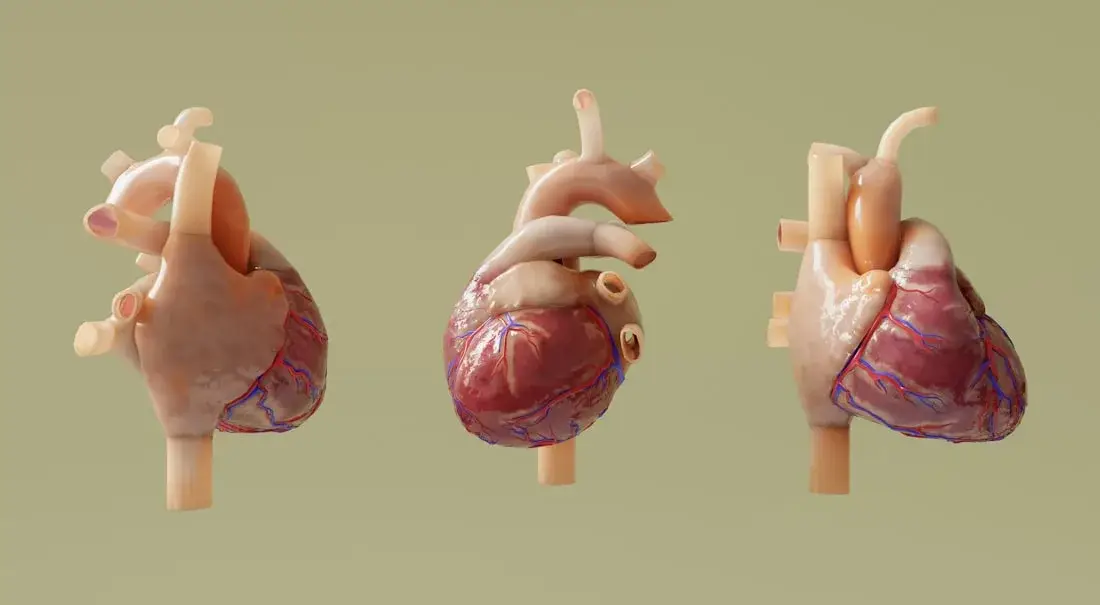
Many patients first learn they have atrial fibrillation during an emergency visit. The emergency team's priority is to settle the heart rate and exclude immediate danger. Decisions about long-term stroke prevention, rhythm strategy, and the conditions driving your AFib belong in an outpatient cardiology review.
You should arrange cardiology follow-up if you have:
Talk to our office — Monday to Friday, 8:00 a.m. to 4:30 p.m.
Call (346) 614-0002An irregular heartbeat should be diagnosed, not guessed at.
Whether you have been newly diagnosed with AFib, received an alert from a wearable device, been started on an anticoagulant in the emergency room, or are having recurrent episodes despite treatment, our cardiologists can confirm the rhythm, assess your stroke risk, and build a long-term plan.
New patients are welcome.
Serving patients throughout Pearland, Greater Houston, and surrounding areas.