
Early Warning Signs of Heart Failure You Shouldn’t Ignore
Heart failure announces itself quietly, in pillows, bathroom scales, and abandoned stairs. The early warning signs
Specialist lipid evaluation and treatment — understanding your numbers, your true cardiovascular risk, and how far your LDL actually needs to come down.
Cholesterol is a fatty substance your body needs, but too much of the wrong type builds up inside artery walls. Over years this forms plaque, gradually narrowing the arteries that supply the heart, brain, and legs.
Like high blood pressure, high cholesterol produces no symptoms whatsoever. It is identified through a blood test, and its significance depends far less on the number alone than on your overall cardiovascular risk.
If your cholesterol is elevated, you have a family history of early heart disease, or you have already been diagnosed with cardiovascular disease, a cardiology evaluation can determine how aggressively your levels should be treated.
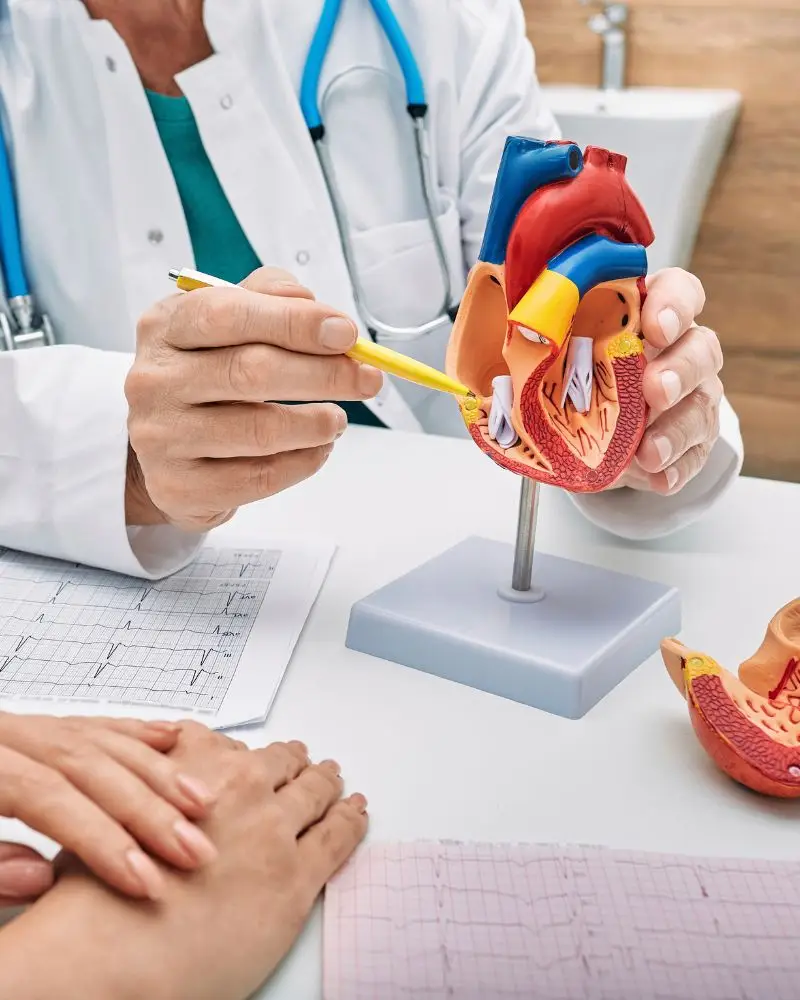



When your cholesterol needs long-term treatment, knowing who is guiding it matters. Our cardiologists assess each patient individually rather than treating a number in isolation, and take the time to explain your target and the reasoning behind it.

General & Preventive Cardiology

Preventive & Non-Invasive Cardiology

Interventional & Vascular Cardiology
Treatment plans tailored to your symptoms, history, and individual needs.
Preventive, diagnostic, interventional, and vascular care in one practice.
Modern diagnostics for heart rhythm, function, structure, and blood flow.
Serving Pearland with additional locations expanding across Greater Houston.
Experienced physicians with advanced cardiovascular training and expertise.
We work with many leading insurance plans for convenient access to care.
Alliance Heart & Vascular is expanding to serve patients across Pearland, Greater Houston and surrounding communities.
Comprehensive cardiology, preventive cardiovascular care, diagnostic evaluation, and follow-up.
View Pearland LocationAlliance Heart & Vascular is expanding across Greater Houston and nearby communities, bringing convenient access to trusted cardiovascular care closer to where our patients live and work.
Alliance Heart & Vascular works with many major health insurance plans. Insurance participation can vary by plan, network, employer, and location.
Please call (346) 614-0002 before your appointment to verify your specific insurance benefits and network participation. Our team can help answer questions about scheduling, referrals, and insurance verification.
Many patients manage cholesterol successfully with their primary care physician. Cardiology input adds value when the target is hard to reach, when treatment is not tolerated, or when your risk is high enough that the target itself changes.
Cholesterol targets are not the same for everyone. The right LDL level for you depends on whether you are preventing a first cardiovascular event or protecting against a second.
High cholesterol contributes to several other cardiovascular conditions. Learn more about:
If chest discomfort or breathlessness develops, or you notice sudden facial drooping, arm weakness, or difficulty speaking, call 911 immediately.
Do not wait for an office appointment.
Online appointment requests should never be used for potentially life-threatening symptoms.
No. High cholesterol itself causes nothing you can feel. Symptoms appear only once plaque has narrowed an artery enough to limit blood flow, which can take decades. In rare inherited forms there may be visible signs:
Because cholesterol stays silent until damage is already done, treatment decisions are based on measured levels and calculated risk rather than on waiting for something to be felt.
A standard cholesterol test reports several different values, and they do not all carry the same weight. Understanding which number matters most for you is central to deciding whether and how to treat.
The primary driver of plaque formation and the main target of treatment. Lowering LDL reduces cardiovascular events, and how low you need to go depends on your overall risk.
Often described as protective, HDL helps remove cholesterol from artery walls. A low level signals higher risk, although raising it directly has not proven beneficial.
Another fat carried in the blood, raised by excess alcohol, refined carbohydrate, and untreated diabetes. Very high levels also risk inflammation of the pancreas.
The total of all the harmful particles combined. For many patients, particularly those with diabetes or raised triglycerides, it predicts risk better than LDL alone.
An inherited particle that raises cardiovascular risk independently of LDL. It is measured once in a lifetime and is not meaningfully changed by diet or exercise.
An inherited condition causing very high LDL from birth and premature heart disease. It remains substantially underdiagnosed and warrants screening of close relatives.
Cholesterol reflects a mix of genetics and lifestyle, and in some patients another medical condition is responsible. Common contributors include:
Patients should not assume a cholesterol result is acceptable simply because it looks close to average. Average levels in the population are still high enough to cause disease, and the target that matters is the one matched to your personal risk.
Cholesterol matters because of what it builds. Plaque accumulates silently over decades and eventually restricts blood flow, or ruptures and blocks it suddenly.
Plaque narrowing the coronary arteries is the direct consequence of sustained high LDL, and the leading cause of angina and heart attack. Read more about coronary artery disease.
When plaque ruptures, a clot can suddenly block a coronary artery. Lowering LDL reduces both the amount of plaque present and how likely it is to rupture.
The same process narrows the arteries supplying the brain, and cholesterol lowering reduces stroke risk alongside cardiac risk.
Plaque in the leg arteries causes pain on walking and, when advanced, poor healing. It is a strong signal of atherosclerosis elsewhere in the body.
Repeated or extensive damage to the heart muscle from coronary disease is one of the most common routes into heart failure. Read more about heart failure.
Not every patient needs every cardiac test. Testing should be selected based on your symptoms, examination, medical history, and cardiovascular risk. Depending on your individual situation, your cardiologist may recommend one or more of the following.
Measures the heart's electrical activity and may identify rhythm problems or other cardiac changes.
Uses ultrasound to evaluate heart function, chambers, valves, muscle, and structure.
Shows how the heart responds to physical activity and may help evaluate exercise-related symptoms.
Uses cardiac imaging during stress testing to assess blood flow to the heart muscle.
Records heart rhythm over time to help detect intermittent arrhythmias or palpitations.
Blood tests may evaluate cholesterol, blood sugar, kidney function, and other cardiovascular risk factors.
Certain patients may require additional cardiac imaging or coronary evaluation depending on their symptoms and risk profile. Your cardiologist will explain why a particular test is being recommended and how the results may influence your treatment plan.
Treatment is guided by your calculated cardiovascular risk, not by the number in isolation. Two people with identical LDL levels may need very different treatment. Options may include:
Our objective is not simply a better-looking blood test. It is fewer heart attacks and strokes across your lifetime, achieved with treatment you tolerate well enough to keep taking.
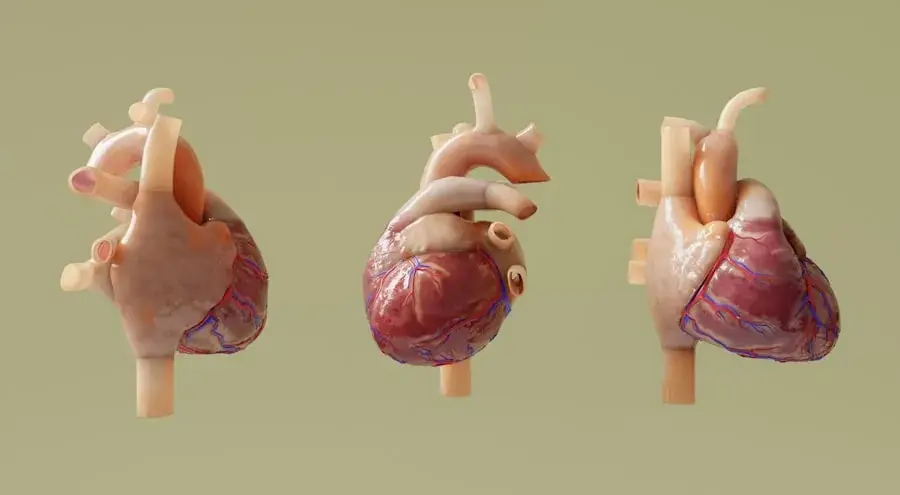
Cholesterol is often measured during an emergency or hospital admission, sometimes for the first time. A single result taken during acute illness can be misleading, and on its own it does not establish your long-term risk or the right target for you.
You should arrange follow-up if you have:
Talk to our office — Monday to Friday, 8:00 a.m. to 4:30 p.m.
Call (346) 614-0002A cholesterol number only means something in context.
Whether your LDL remains above target, you cannot tolerate a statin, you have a family history of early heart disease, or you have been told your cholesterol is high without being told what it means for you, our cardiologists can assess your true risk and set the right target.
New patients are welcome.
Serving patients throughout Pearland, Greater Houston, and surrounding areas.